Landlord and Tenant Board (LTB) Disputes
Landlord and Tenant Board Representation in Ontario
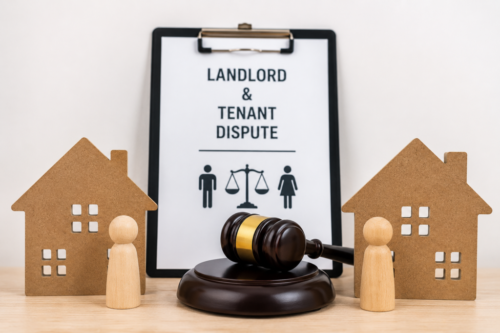
Disputes between landlords and tenants in Ontario are resolved through the Landlord and Tenant Board (LTB), under the Residential Tenancies Act, 2006. Whether you are a landlord seeking to end a tenancy or recover unpaid rent, or a tenant facing eviction or unsafe living conditions, the LTB process has strict forms, deadlines, and rules of evidence — and mistakes can cost you the case.
We represent both landlords and tenants in LTB applications and hearings, helping clients understand their rights, prepare strong evidence, and reach the best possible outcome — whether that’s a negotiated resolution or a hearing before an adjudicator.
How the LTB Process Works
-
Notice – Most disputes begin with a formal notice (e.g., N4 for unpaid rent, N12 for landlord’s own use).
-
Application – If the issue isn’t resolved, either party files an application with the LTB.
-
Hearing – The Board schedules a hearing (often held by video or phone), where both sides present evidence.
-
Order – The adjudicator issues a written order, which may include payment terms, an eviction date, or dismissal of the application.
-
Enforcement/Appeal – Orders can be enforced through the Sheriff, or appealed to the Divisional Court on a question of law.
Timelines matter at every stage — missing a response deadline or filing the wrong form can significantly weaken your position.
Landlord Services
-
Non-payment of rent applications (L1, L9)
-
Eviction for cause — damage, illegal acts, persistent late payment (L2)
-
Ending a tenancy for landlord’s own use, sale, or renovation (N12/N13-related applications)
-
Above-guideline rent increase applications (AGI)
-
Responding to tenant applications (T2, T6) and Board orders
-
Enforcement of LTB orders through the Sheriff’s office
Tenant Services
-
Responding to eviction notices (N4, N5, N12, N13) and LTB applications
-
Applications about maintenance and repair issues (T6)
-
Applications for tenant rights violations, illegal entry, or harassment (T2)
-
Rent rebate and illegal rent increase disputes
-
Bad faith eviction claims
-
Negotiating payment plans and settlements at case management hearings
Why Work With Us
- Experience preparing and responding to LTB applications for both landlords and tenants
- Clear guidance on notice periods, valid grounds, and required evidence
- Representation at case management and formal hearings
- Practical advice on settlement versus proceeding to a hearing
Get Help With Your LTB Matter
If you’ve received a notice, been served with an application, or need to start one, contact us for a consultation. Bring any notices, the tenancy agreement, and relevant correspondence to your first meeting so we can assess your situation quickly.
Contact Us : 647 977 2263
Get in touch : 647-977-2263
Or you can email us directly at : info@ahangamalaw.com